Hararat Spices: What Goes In and How to Keep the Taste Steady
Hararat is a warm spice blend that goes into couscous with meat, red stews, soups and braises. This article is for restaurants, hotels and meat factories that cook in large amounts: what goes into hararat spices, when they are added, why their taste changes from batch to batch, and which of our extract powders help every pot come out with the same taste.
2
min read
7
sections
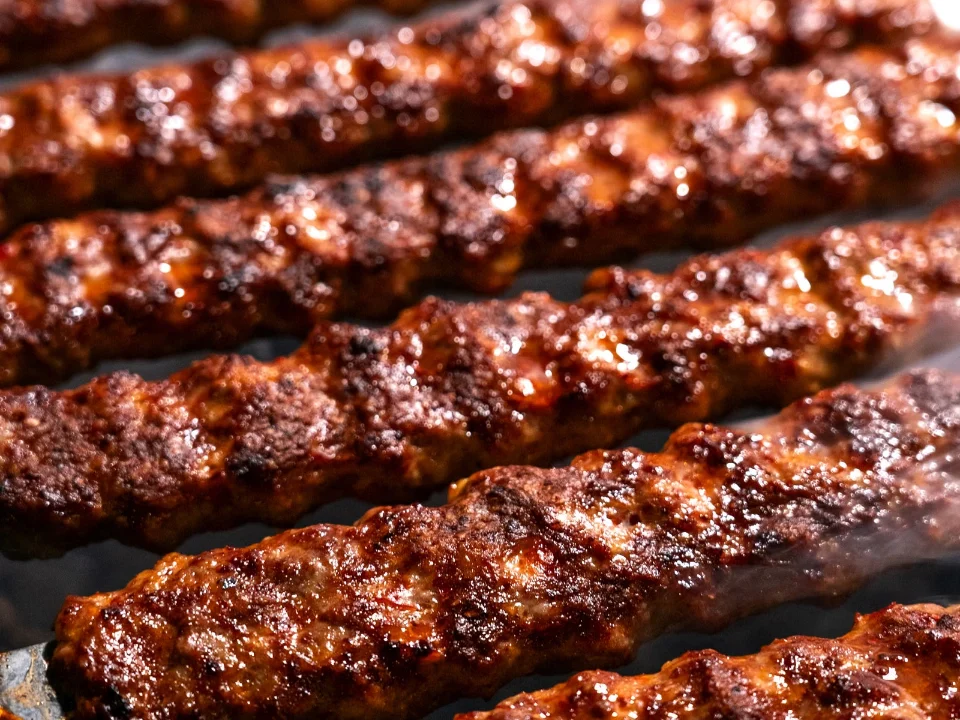
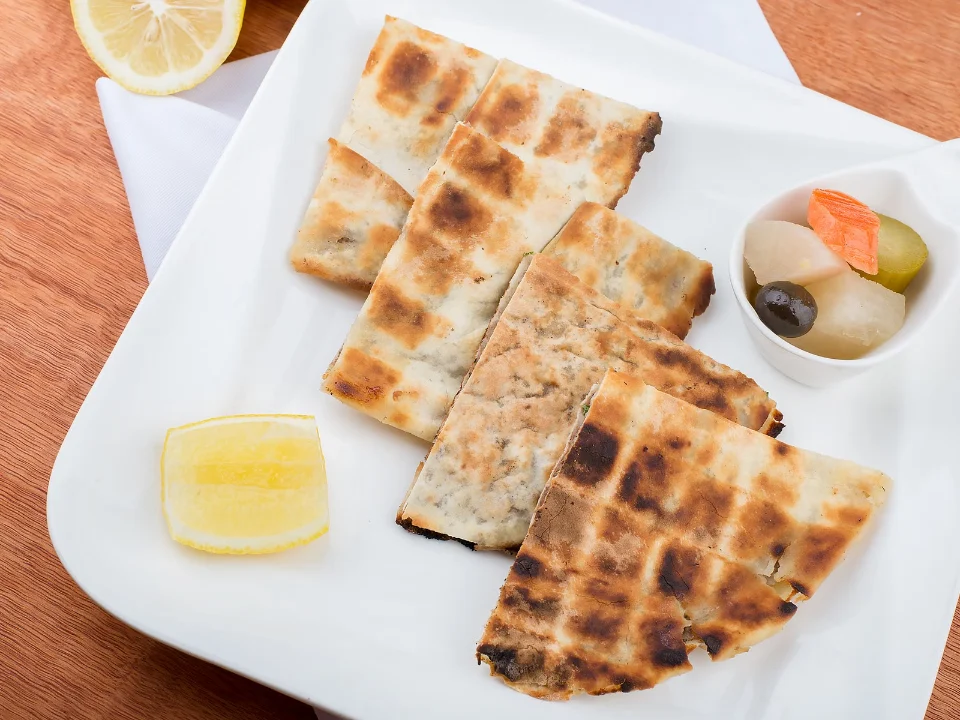
KoftaHawawshi
Illustrative photos of some of its uses
What are hararat spices?
Hararat is a blend of whole spices toasted in a dry pan until fragrant, then cooled, ground and kept in an airtight jar. It differs from home to home and kitchen to kitchen, but cinnamon is the leading spice in most recipes, joined by spices that bring warmth and heat. It is used to season meat and to flavour stews and broths.
What goes into hararat
The spices that come back in hararat recipes are:
Cinnamon: the leading spice, giving the blend its warmth and light sweetness.
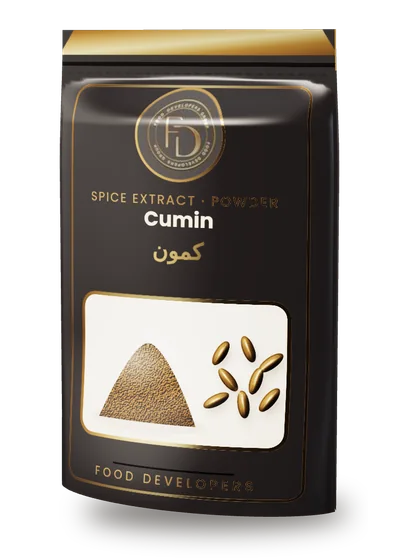
Cumin: a deep, earthy taste that suits meat and pulses.
Coriander: the seeds give an aromatic taste that balances the cinnamon.
Hot red chili: brings the heat the blend takes its name from.
Allspice: a warm aroma that rounds out the cinnamon.
When does hararat go into the pot?
In the meat broth for couscous, for example, the onion and meat are browned first, then hararat and chili go in with the tomatoes, tomato paste and stock before the vegetables. That way the spices cook in the fat and tomato so their taste comes out, and then they simmer with the meat until it takes them in. To season meat before grilling or cooking, hararat is rubbed onto the pieces with salt and left for a while.
Why does hararat taste different from batch to batch?
Hararat made in the kitchen changes as the spices themselves change: cumin and coriander seeds vary in strength from crop to crop, a minute more or less of toasting changes the taste, and chili heat varies from bag to bag. In a restaurant or factory that cooks large amounts every day, the customer who knows the taste notices the difference at once.
How extract powders help
An extract powder gives the spice's taste in a fine powder that spreads evenly in the broth or over the meat, with one taste from pack to pack. That is why large kitchens build the hararat taste on extracts and then add cinnamon and allspice their own way:
Cumin extract powder: cumin's earthy taste at a steady strength.
Coriander extract powder: the aromatic taste of coriander seed.
Hot chili extract powder: the heat of hararat at the same level in every pot.
Lamb bouillon: strengthens the broth of couscous and stews when the meat is little for the size of the pot.
Practical tips for kitchens
Write your kitchen's hararat recipe by weight, not by spoons, and keep what you make in an airtight jar away from heat and light. Add it with the tomato before the water, and taste the broth before adding salt, because ready bouillon contains salt. If your customers differ in how hot they like it, keep the chili as a separate part you add to order.
How to order
Food Developers has cumin, coriander and hot chili extract powders in 5, 15 and 25 kg packs, and lamb bouillon, with no minimum order. Ask for a quote or a sample from the product page, or message us on WhatsApp.
FAQ
Questions about this product
What goes into hararat spices?
In most recipes: cinnamon, cumin, coriander, hot red chili and allspice, toasted and then ground.
Is hararat a hot spice?
It contains hot red chili, but the warmth of cinnamon and cumin leads, and its heat depends on how much chili each kitchen puts in.
Which dishes use hararat?
In the meat broth for couscous, stews and soups, and to season meat before cooking or grilling.