How Is Luncheon Meat Made? Each Step and Where Taste Goes In
How is luncheon meat made? On a factory line it is a short chain of steps — chopping meat into a smooth mix, seasoning it, filling cans or moulds, cooking and cooling — and the taste the buyer remembers is decided at one of them: the moment the seasoning and flavor go into the mix. This article walks a luncheon factory through each step and shows where our meat luncheon flavor oil, meat luncheon flavor powder and spice extracts fit. The flavor oil comes in jerrycans and the powders in 5, 15 and 25 kg packs, with no minimum order; ask for a quote on the product page or message us on WhatsApp at +20 112 680 5998.
2
min read
6
sections
Luncheon
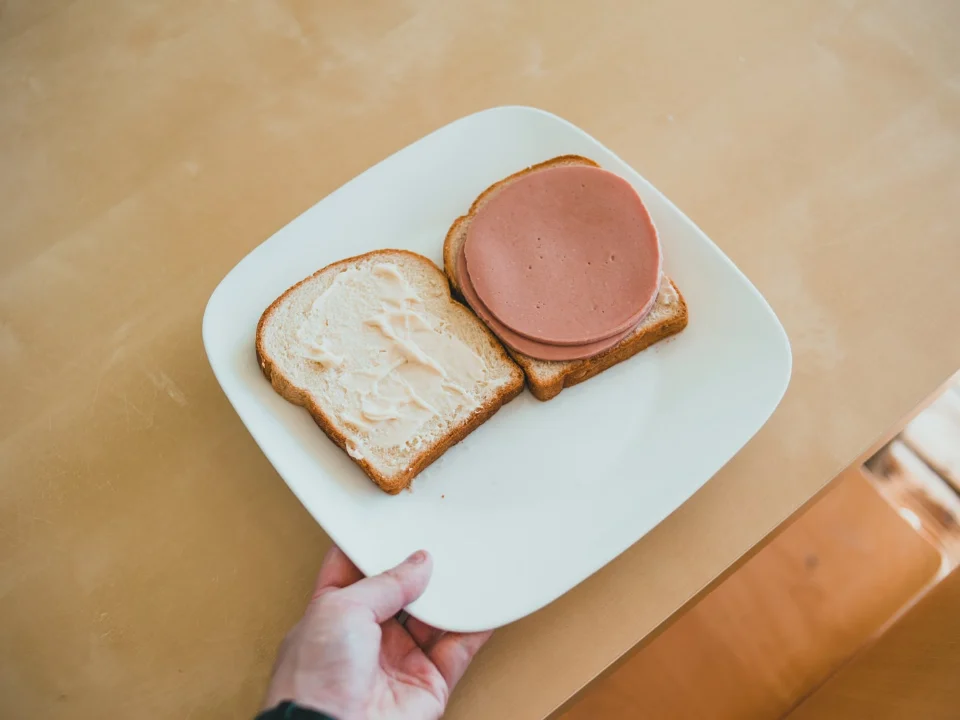
Illustrative photos of some of its uses
Step 1: meat, fat and ice
Luncheon meat starts with trimmed lean meat and fat, weighed for each batch. Water is added as crushed ice, which keeps the mix cold while it is chopped and helps it turn into a smooth paste. Salt and the curing ingredients are added early, because they help the meat proteins bind the fat and water together.
Step 2: chopping into a smooth mix
The meat is chopped at high speed in a bowl cutter until fat, protein and water become one smooth, even paste. This is what gives luncheon meat its fine texture, so it can be sliced or cut into cubes. Starch or other binders and the dry ingredients are mixed in at this stage, and this is also the right moment for the seasoning and the flavor: everything that goes in now is spread evenly through the whole batch.
Step 3: seasoning and flavor — where the taste is decided
Because luncheon meat is a smooth mix rather than a whole piece of meat, much of its taste comes from what the factory adds. Three of our products are made for this step:
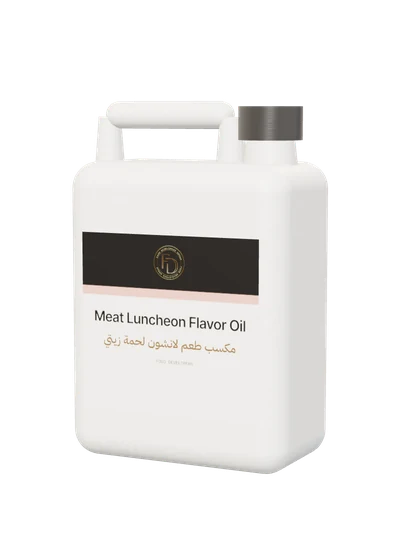
Meat luncheon flavor oil: an oil-based flavor for beef luncheon that gives a full meaty taste, the same in every batch.
Meat luncheon flavor powder: the same luncheon taste in powder form, easy to weigh with the other dry ingredients.
Black pepper and coriander extract powders: peppery heat without visible dark specks, and the warm, citrusy note of coriander seed, both spread evenly through the mix.
Step 4: filling cans or moulds
The finished mix is pumped into fillers and filled into cans or moulds, then the cans are sealed. Working the mix under vacuum and keeping it cold limits air pockets and the juice the meat lets out when it is cooked, so the luncheon keeps a clean, even cut.
Step 5: cooking and cooling
The sealed cans are cooked and sterilised with hot water or steam under pressure, then cooled. A good flavor has to come out of this heat with its taste intact, which is why luncheon factories choose a flavor made for luncheon production rather than a general one.
Packs and how to order
Meat luncheon flavor oil comes in jerrycans; meat luncheon flavor powder and our extract powders come in 5, 15 and 25 kg packs. There is no minimum order, and a taste can also be developed for your own luncheon. Ask for a quote on the product page or message us on WhatsApp at +20 112 680 5998.
FAQ
Questions about this product
At which step is the flavor added to luncheon meat?
During chopping and mixing, with the other seasonings, before the mix is filled into cans or moulds, so the taste spreads evenly through the whole batch.
Flavor oil or flavor powder for luncheon meat?
Both carry the luncheon taste. The oil blends into the fat of the mix; the powder is weighed with the dry ingredients. Many factories choose by the way their line doses ingredients.
What makes luncheon meat different from corned beef?
Corned beef is cured beef cooked in the can, so it is grainy and breaks apart; luncheon meat is a finely chopped mix that holds its shape and slices cleanly.