Karantika: The Chickpea Flan and the Egg in Its Batter
Karantika, also written garantita, is a street food made from chickpea flour batter baked in a large tray until it sets like a flan. Shops sell it hot by the piece or in a sandwich, and bakeries bake it every day. This article looks at the batter, the role of the egg in it, and how a shop that bakes many trays a day can keep the same result with whole egg powder.
2
min read
7
sections
Garlic sauce (toumia)Cakes
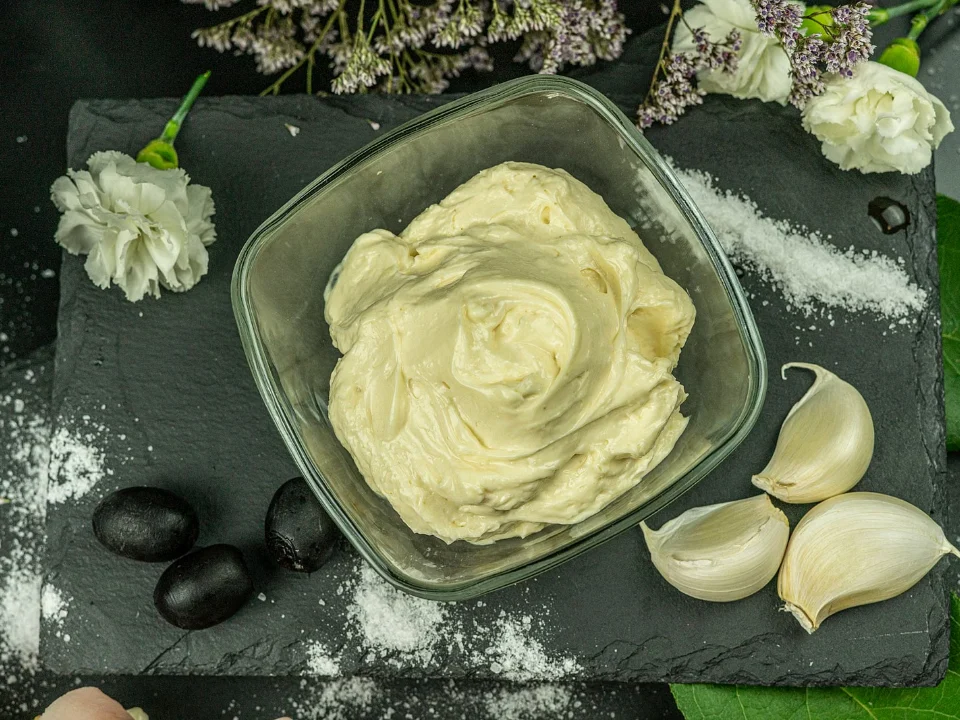
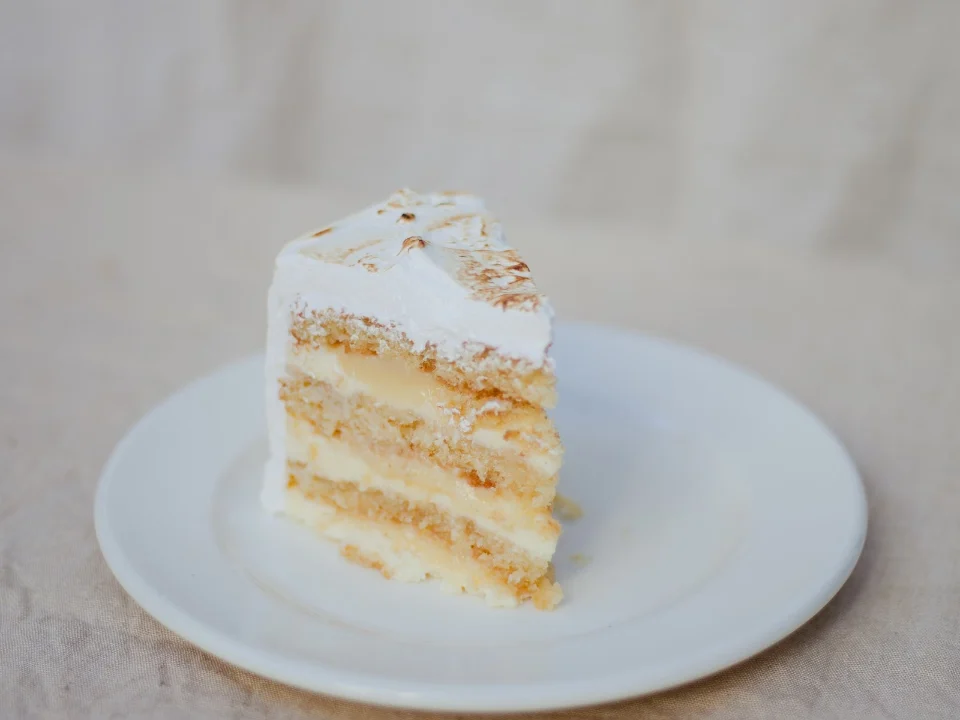
Illustrative photos of some of its uses
What is karantika?
Karantika is a savoury chickpea flan. The batter is very runny: chickpea flour, a lot of water, oil, salt and cumin, and in most recipes eggs. It is poured into a greased tray and baked in a hot oven for about an hour, until the base is soft and set and the top turns golden.
It is served hot, cut into squares, sprinkled with cumin and often tucked into a baguette with a spicy pepper sauce. It is cheap, filling and sold all day, so the shops that make it bake many trays.
The karantika batter
The usual ingredients of the batter:
Chickpea flour: the base of the dish.
Water, and in some recipes a little milk: the batter must be much thinner than a cake batter.
Oil: for the tray and in the batter.
Eggs: whisked with the liquids before the flour is added.
Salt, cumin and black pepper.
What the egg does in karantika
Chickpea flour sets in the oven on its own, which is why some recipes leave the egg out. Most shop recipes keep it: the egg helps the batter set evenly, gives a smoother, creamier top and a richer taste and colour. The same number of eggs in every tray means the same texture in every tray.
Whole egg powder for shops that bake many trays
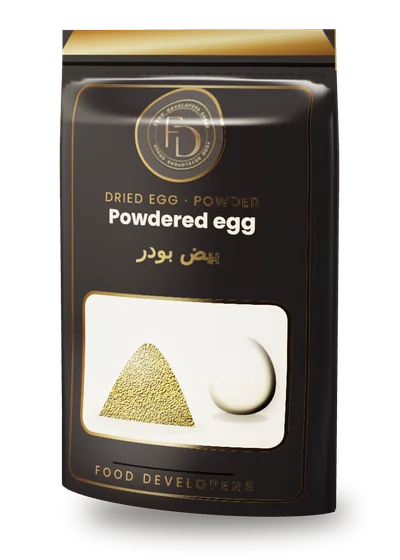
Whole egg powder holds both the white and the yolk. Mixed with water it gives beaten egg again. The guide ratio on our product page is 1 kg of powder with 3 to 3.5 kilograms of water, which gives 4 to 4.5 kilograms of beaten egg. In karantika it can simply be whisked into the water of the batter, or added dry with the chickpea flour, cutting the same amount of water from the recipe.
No breaking eggs and no shells: the batter for many trays is ready faster.
The same amount of egg weighed for every tray, so the same result.
A long shelf life compared with shell eggs, and less storage space.
Practical tips for an even tray
Whisk the egg with the liquids first, then pour them slowly onto the flour so no lumps form.
Let the batter rest a little before baking, and stir it again before pouring.
Keep the batter depth the same in every tray, so every tray bakes in the same time.
Write your recipe in grams, egg powder included, so every cook makes the same karantika.
Who uses whole egg powder?
Restaurants, bakeries and hotels use it, and so do sweets factories and cake and baked goods factories: any factory product made with egg. For a more golden, shiny top, egg yolk powder is the one for the glaze.
Packs and ordering
We have whole egg powder and egg yolk powder in 5, 15 and 25 kg packs, with no minimum order. For a price, request a quote on the product page or message us on WhatsApp at +20 112 680 5998, Saturday to Wednesday, 9:00 to 18:00.
FAQ
Questions about this product
Is karantika made with eggs?
In most recipes, yes: eggs are whisked with the water, oil and salt before the chickpea flour is added. Some recipes leave them out, because chickpea flour sets on its own in the oven.
Can I use whole egg powder in karantika?
Yes. Whisk it into the water of the batter or add it dry with the flour. The guide ratio is 1 kg of powder with 3 to 3.5 kilograms of water for 4 to 4.5 kilograms of beaten egg.
What is karantika served with?
Hot, cut into squares, with cumin on top, often in a baguette with a spicy pepper sauce.